


Summer safety at home starts with keeping meals and drinks easy to reach, planning necessary trips carefully, maintaining a comfortable indoor routine, and checking in regularly. A few practical changes can help your loved one manage the day with less rushing and fewer unnecessary trips outside.
In Las Vegas, summer heat can make ordinary tasks such as grocery shopping, appointments, and time outdoors more demanding. A routine that works well during cooler months may need extra planning when temperatures rise.
Your loved one’s preferences and any instructions from their doctor or healthcare professional should shape those changes. Support should fit the way they already live rather than replacing familiar routines.
At Absolutely For Seniors (and Anyone in Need), we help you support everyday needs while respecting your loved one’s comfort, choices, and independence.
When hot weather makes everyday tasks harder for your loved one, our home care support for daily routines can help with meals, transportation, companionship, and other practical needs at home.
Which Summer Habits Matter Most at Home?
The most useful summer habits are simple enough to follow consistently. Keeping food and drinks nearby, planning trips before leaving, maintaining comfortable rooms, removing avoidable obstacles, and agreeing on regular check-ins can make the day easier to manage.
Focus on these five habits:
- Keep meals and drinks easy to reach.
- Plan appointments and errands carefully.
- Keep frequently used rooms comfortable.
- Maintain clear walking paths and accessible essentials.
- Agree on regular calls or visits.
These habits do not require a strict schedule. Your loved one may need a later start, a shorter outing, or help with one particular task. Begin with the parts of the day that now take more effort.
How Can Meals and Drinks Be Easier to Keep Up With?
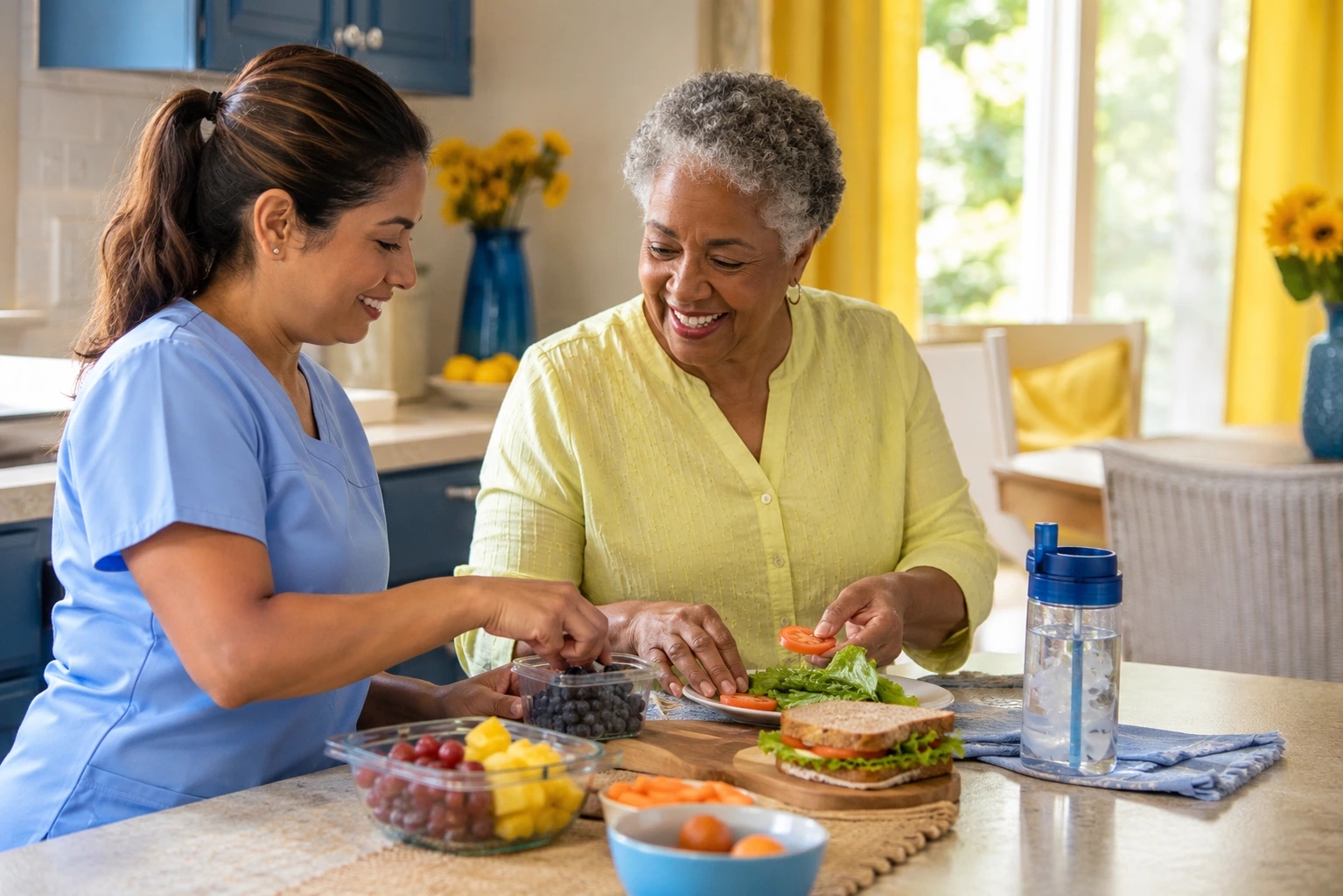
Meals and drinks are easier to maintain when they are visible, familiar, and connected to normal parts of the day. Simple preparation can also reduce time spent standing in the kitchen or making repeated trips through the home.
Keep a preferred drink near the places your loved one uses most, such as a favorite chair, the kitchen table, or a bedside table. Offering a drink with meals, during visits, or before leaving for an appointment can make it part of the routine without creating constant reminders.
Food can be handled in the same practical way. Prepare familiar meals that are easy to serve, keep commonly used items within reach, and check whether grocery shopping has become harder to manage. Help with dishes or cleanup may also make the routine more manageable.
Pay attention to the work surrounding a meal. Opening containers, reaching shelves, carrying groceries, and cleaning the kitchen may require more energy than eating. Your loved one may still want to choose meals or help with simple preparation while receiving support with the more tiring parts.
Avoid giving one set amount of food or fluid as a rule for everyone. Follow any instructions their doctor or healthcare professional has given about food, fluids, medications, or activity.
How Should Appointments and Errands Be Planned?
Appointments and errands are easier to manage when the time, destination, transportation, and expected wait are considered before leaving home. Planning ahead can reduce rushing and limit unnecessary time spent outdoors.
Before a trip:
- Confirm the time, location, and drop-off or parking plan.
- Gather documents and personal items before leaving.
- Allow enough time so your loved one does not feel rushed.
- Combine nearby errands when practical.
- Avoid unnecessary waiting outdoors.
When hot weather makes driving, parking, or waiting outside more difficult, transportation support for appointments and errands can make necessary trips easier to plan.
Transportation help may be useful when you cannot leave work, live farther away, or are already handling several responsibilities. The need may involve more than the ride itself. Your loved one may also need help getting ready, gathering personal items, reaching the destination, or returning home without feeling hurried.
Review the plan before each trip. Appointment times change, road conditions vary, and your loved one may feel differently from one day to the next. A quick check can help you decide whether the outing still feels manageable.
How Can the Home and Check-In Routine Support the Day?
A comfortable home setup and a dependable check-in routine can make summer days easier to manage. Start with the rooms your loved one uses most and make sure important items are nearby.
Close blinds or curtains when helpful, keep phones and drinks within reach, and check that frequently used rooms feel comfortable. Small changes are usually easier to maintain than rearranging the entire home.
Keeping walking paths clear, using reliable lighting, and placing frequently used items within reach are practical home safety steps for seniors that can make daily routines easier to manage.
Check-ins should be specific enough to uncover practical needs. Instead of asking only, “Are you okay?” try:
- Do you have what you need for lunch?
- Is the house comfortable today?
- Do you need help with an errand?
- Has tomorrow’s appointment time changed?
- Is your phone charged and nearby?
A short call may be enough on some days. A visit may be more useful when groceries are running low, household tasks are building up, or your loved one needs company.
Sharing check-in responsibilities can also help. You and other relatives may divide calls, visits, errands, and appointment help so one person is not responsible for everything.
When Might Additional Summer Support Help?
Extra help may be useful when summer routines are repeatedly missed, require more family coordination, or become difficult for your loved one to manage alone. Look for patterns across several days rather than treating one difficult afternoon as a sign that regular care is necessary.
You may notice that:
- Meals or grocery shopping are becoming harder to manage.
- Appointments and errands are being postponed.
- Transportation is difficult to arrange.
- Laundry, dishes, or other household tasks are building up.
- Regular check-ins or companionship depend on one family member.
At Absolutely For Seniors (and Anyone in Need), we can help with meal preparation, light housekeeping, transportation, companion care, personal care, and other routines that may require more support during summer.
Start with the tasks creating the most strain. Your loved one may need help with grocery trips and meal preparation but continue managing personal care independently. Another person may benefit more from transportation, companionship, or regular help around the home.
If your loved one is having a harder time keeping up with meals, errands, or regular check-ins during hot weather, it may be time to look at added support. Transportation needs, daily schedules, the home environment, and the amount of help needed are all important things to consider before choosing non-medical home care services.
Ask your loved one which tasks feel most difficult and what kind of help they would welcome. Their preferences can shape the schedule and keep support connected to the way they want to spend the day.
Absolutely For Seniors (and Anyone in Need) works with you to shape that support around your loved one’s routine, preferences, and practical needs.
Frequently Asked Questions
What should I ask during a summer check-in?
Ask whether the home feels comfortable, whether meals and drinks are available, and whether an upcoming errand or appointment needs more planning. Specific questions can make it easier for your loved one to explain what would help.
You may also ask whether their phone is charged, whether household supplies are running low, or whether a planned outing still feels manageable.
How can my loved one stay engaged when it is too hot outside?
Choose familiar indoor activities that match their interests and energy. A phone call, shared meal, music, reading, a simple hobby, or time with a companion can help break up long quiet stretches.
Shorter outings may still work when they are carefully planned and your loved one feels comfortable. The activity does not need to fill the entire day to be meaningful.
What if my loved one has medical instructions about fluids or activity?
Follow the directions their doctor or healthcare professional has already provided. Do not change fluid intake, medications, or activity levels based only on general summer advice.
Contact the appropriate healthcare professional when you have questions about how heat may affect an existing condition, medication, or care plan.
A manageable summer routine depends on preparation, regular contact, and practical help with tasks that have become more difficult. Start with the needs affecting the day most and adjust the level of support as circumstances change.
If hot weather is making daily routines harder for your loved one, you can set an appointment so our team can discuss help with meals, errands, transportation, and regular check-ins.



Leave a Reply