



Helping seniors age at home starts with noticing what parts of daily life are becoming harder and adding support before those challenges become unsafe or overwhelming. A loved one may still be independent but need help with meals, transportation, personal care, housekeeping, safety, or companionship.
For many families, the goal is simple: help Mom, Dad, or another loved one stay in a familiar place for as long as home still feels safe and manageable. That does not mean they have to do everything alone. It means the right support should be added at the right time.
Absolutely For Seniors (and Anyone in Need) understands that many families want to help a loved one stay at home as long as it feels safe, comfortable, and manageable.
Daily needs, safety concerns, and routine support are all important things families should consider before choosing non-medical home care services, especially when a loved one wants to age at home.
What It Means to Age at Home
Aging at home means a senior continues living in their own home while getting the right level of support for daily life. It does not always mean doing everything alone. For many families, aging in place works best when support is added before daily routines become too difficult.
Home can offer comfort, familiarity, and a sense of control. A loved one may know where things are, feel connected to the neighborhood, and prefer the routines they have built over many years. Those things matter.
But staying home should also be realistic. Families may need to look closely at what daily life actually requires. Can the person prepare meals? Are they bathing safely? Are they getting to appointments? Is the home easy to move through? Are they spending too much time alone?
Aging at home works best when the plan is based on real needs, not only the hope that everything will stay the same. Needs can change slowly. Support can also change slowly. A family may start with help a few hours a week, then adjust if meals, errands, personal care, or safety become harder later.
The goal is not to remove independence. The goal is to protect it by making the home routine safer and easier to manage.
Signs a Senior May Need More Support at Home
A senior may need more support at home when daily routines start becoming harder to manage consistently. These changes may be small at first, but they can affect safety, comfort, nutrition, and independence over time.
Families may notice that a loved one is skipping meals or eating less than usual. They may miss appointments, avoid errands, or seem nervous about driving. Laundry, dishes, trash, or mail may start piling up. The home may feel less organized than before.
Personal routines can change too. A loved one may bathe less often, wear the same clothes repeatedly, or take much longer to get ready for the day. They may move more slowly, hold onto furniture, or avoid parts of the home because stairs, bathrooms, or hallways feel harder to manage.
Social changes matter as well. A senior who spends long periods alone may become less active, less consistent with meals, or less interested in things they used to enjoy. Sometimes the need for support is not one big issue. It is several small changes happening at the same time.
Families often start asking about care when they notice signs a loved one may need help at home more often than before.
Start With the Daily Routine
The best way to help a senior age at home is to look at the full day, not just one task. Meals, hygiene, movement, errands, rest, social time, and household chores all affect whether home life still feels manageable.
Start with the morning. Is your loved one getting out of bed safely? Are bathing, dressing, grooming, and toileting routines still manageable? Do they seem tired before the day has really started?
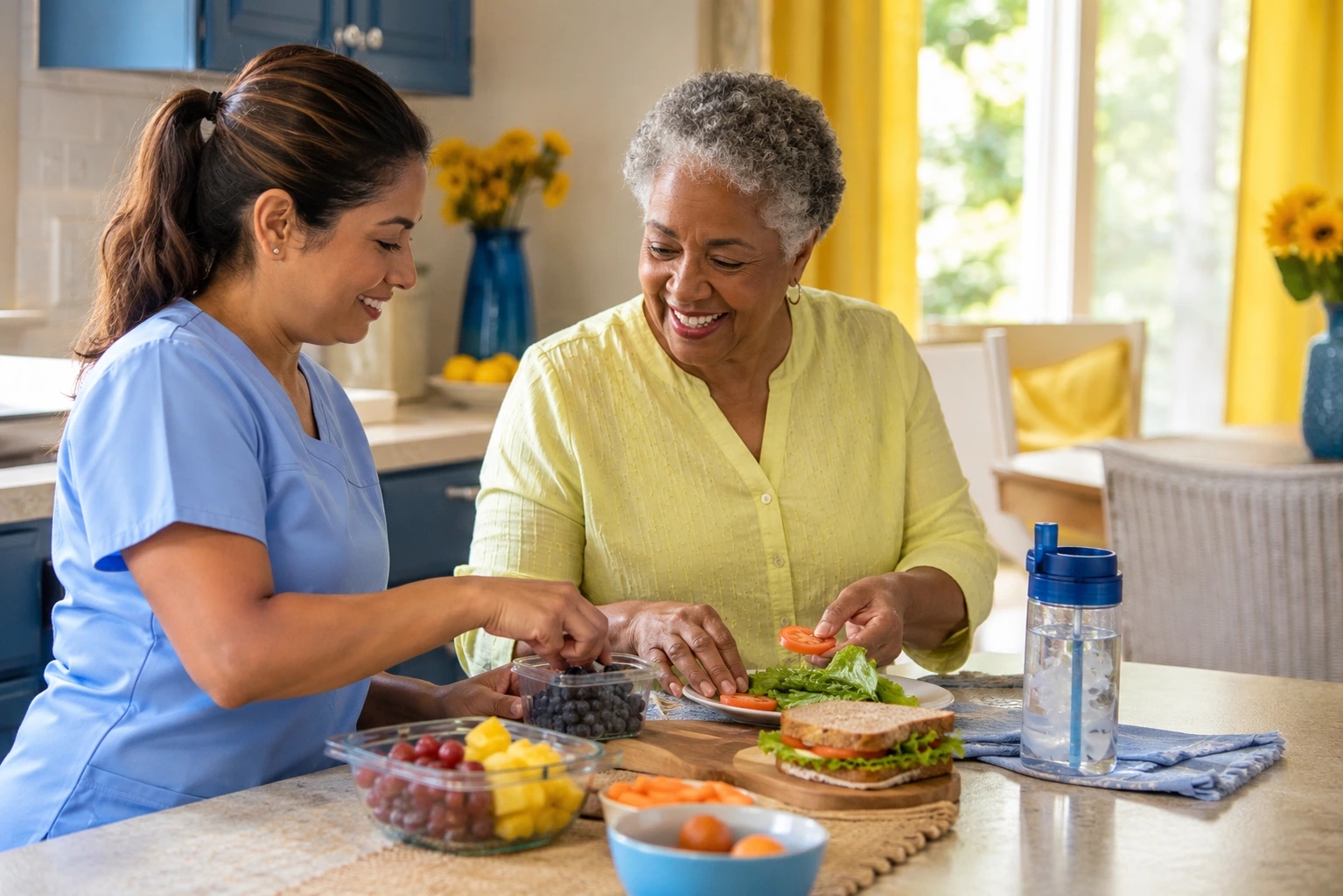
Then look at meals. Are groceries available? Is food being prepared? Is your loved one eating regularly and drinking enough water? Skipped meals can affect energy, balance, mood, and strength.
Next, look at the home itself. Laundry, dishes, trash, mail, and clutter can all show whether daily tasks are becoming harder. A home does not need to be perfect, but blocked walkways, piles of laundry, or trash that is not being taken out can make daily life less safe.
Transportation is another important part of the routine. A loved one may need help getting to appointments, picking up prescriptions, shopping for groceries, or staying connected to activities outside the home. If driving is becoming stressful or unsafe, transportation support may help them stay independent without taking unnecessary risks.
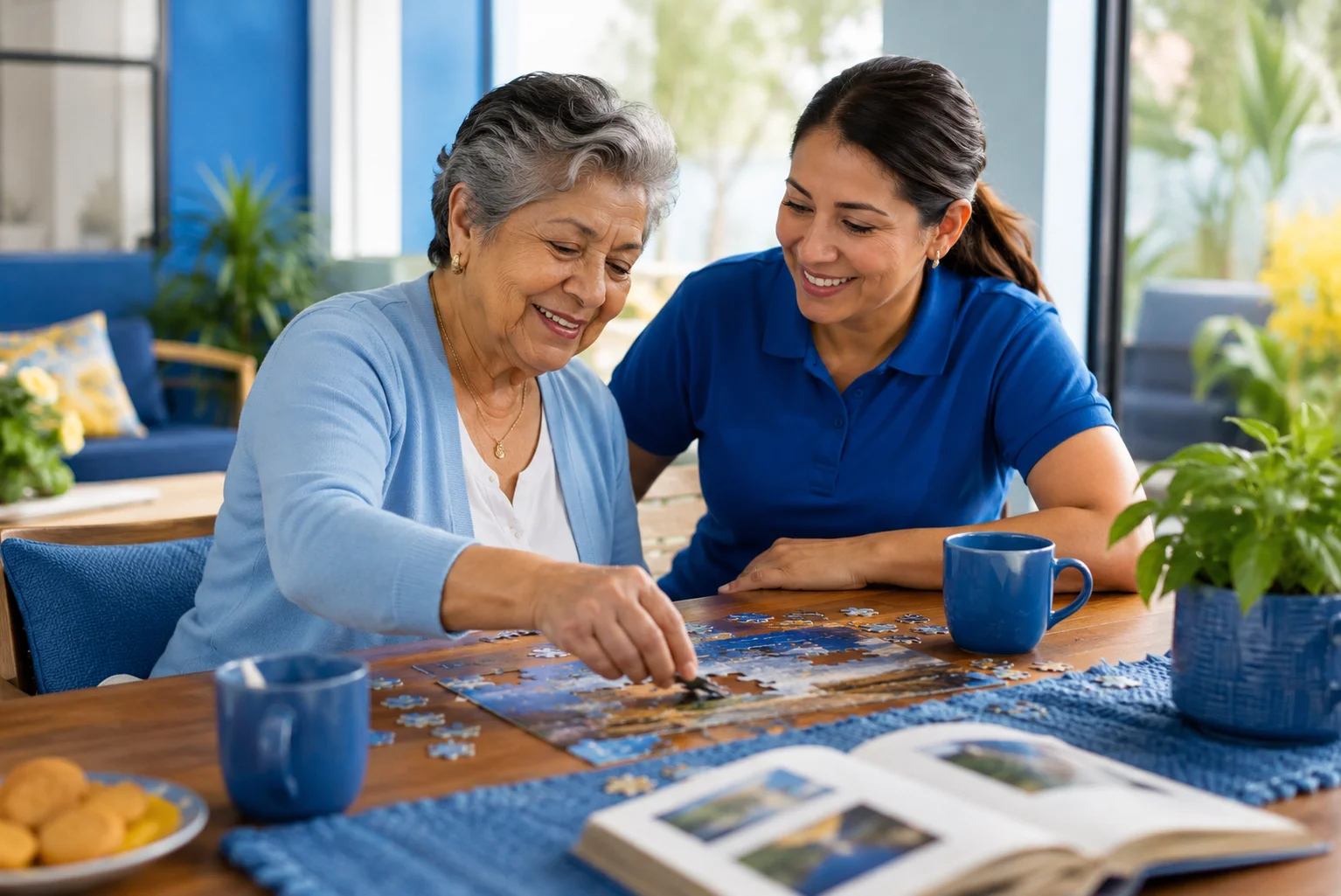
Social time should not be overlooked. A senior who is alone most of the week may need more than task-based help. Companionship, regular check-ins, and simple activities can help the day feel less empty and more structured.
Looking at the full day helps families make better decisions. Instead of guessing what kind of help is needed, they can see where the routine is starting to break down.
Make Home Safer Before There Is an Emergency
Safety is one of the biggest parts of aging at home. Families do not need to wait for a fall, missed appointment, or urgent situation before making the home easier to manage.
Small changes can make a big difference. Clear walkways can reduce tripping hazards. Better lighting can make it easier to move around in the evening. Removing clutter can make hallways, bedrooms, and bathrooms easier to use.
Bathrooms deserve extra attention. Showers, tubs, wet floors, and tight spaces can become risky when balance or strength changes. A loved one may start avoiding bathing because it feels unsafe, or they may rush through the routine because they want to finish quickly.
Safety also includes daily support. A senior who skips meals, avoids errands, or spends long hours alone may be facing risks that are not as obvious as loose rugs or stairs. When routines slip, safety can slip too.
Families should also think about how often someone is checking in. If a loved one lives alone, regular support can make it easier to notice changes in appetite, movement, mood, or confidence.
Small changes in daily routines can make it easier to keep seniors safe at home before a serious concern develops.
How Non-Medical Home Care Can Help Seniors Age at Home
Non-medical home care can help seniors age at home by supporting the daily routines that make home life safer, easier, and more consistent. It can be helpful when a loved one does not need medical care but does need regular support during the week.
Absolutely For Seniors (and Anyone in Need) provides non-medical home care services that can help with daily routines, companionship, transportation, personal care, meal support, and light housekeeping at home.
This kind of support can be flexible. Some seniors may need help with meals and light housekeeping. Others may need transportation, personal care support, or companionship. Some may only need help a few hours a week, while others may need more consistent support.
Non-medical care can also help family caregivers. Many families want to help, but they may not be able to visit every day or manage every task. Work schedules, distance, family responsibilities, and caregiver stress can make it hard to provide steady support alone.
Adding help does not mean the family has failed. It often means the family is planning ahead. A few hours of support each week may make it easier for a loved one to stay home while giving family members more peace of mind.
Support can also grow over time. A senior may start with companionship or meal preparation, then later need help with personal care, transportation, or daily safety. A care plan should fit the person’s routine and adjust when needs change.

How Families Can Support Independence
Helping seniors age at home should not mean taking over every part of the day. The goal is to support independence by helping with the tasks that have become harder while allowing the senior to keep choice and control where possible.
Start by asking what feels harder. Families may notice the laundry, the missed meals, or the clutter first. But the senior may be most worried about bathing, driving, or feeling alone. Asking the right question can open a better conversation.
Instead of saying, “You cannot manage alone anymore,” families can say, “What part of the day has started to feel harder than it used to?” That kind of question gives the loved one room to answer without feeling judged.
Choice matters. Let your loved one choose what kind of help feels acceptable when possible. They may be more open to help with errands before personal care. They may prefer support in the morning instead of later in the day. They may want companionship before they are ready for help with household tasks.
Start small if needed. Some families begin with a few hours of support each week. That can make the idea of care feel less overwhelming and give the senior time to adjust.
It also helps to focus on what support makes possible. Help with transportation may mean they can still get to appointments. Help with meals may mean they have more energy. Help with housekeeping may make the home safer. Help with companionship may make the week feel less lonely.
Independence does not always mean doing everything alone. Sometimes it means having enough support to keep living in the place that feels like home.
The Bottom Line on Aging at Home
Helping a loved one age at home is not about doing everything at once. It is about noticing what has changed, supporting the routines that matter most, and making sure home life still feels safe and manageable.
Aging in place can work well when families are honest about daily needs and open to adding support before things become overwhelming. That support may look different for every person. For one senior, it may be help with meals. For another, it may be transportation, companionship, personal care, or light housekeeping.
The best plan is one that respects the senior’s independence while addressing the parts of daily life that are becoming harder to manage. When families focus on real routines instead of waiting for a crisis, they can make better decisions about what kind of help is needed.
If your loved one wants to age at home but daily routines are becoming harder to manage, you can set an appointment with Absolutely For Seniors (and Anyone in Need) to talk through support tailored to their needs.


Leave a Reply